




What's New

Study: Hydration boosted urine, but stone risk unchanged

Man in hat drinks from aluminum water bottle while standing outdoors.
The largest kidney stone prevention trial found that behavioral tools slightly increased urine output but did not reduce recurrence.

News Releases

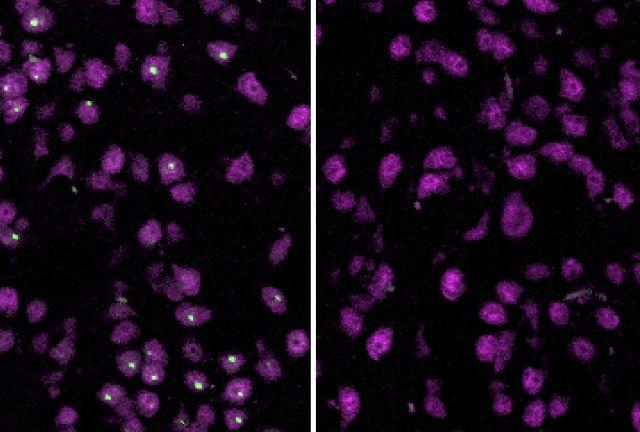
Left: Untreated brain cells carrying the Huntington's mutation show large protein aggregates (green). Right: In cells treated with ASO targeting huntingtin 1a, aggregates nearly vanished

Findings may inform new approach to Huntington's disease

Targeting a piece of the mutant protein that causes this inherited brain disorder might work better than aiming at the whole protein.
Senior woman sitting and holding senior dog's face

Same metabolites predict mortality in dogs, humans

The small molecules that predict dog mortality also forecast human lifespan, strengthening dogs as aging models, a study shows.
Older man sleeping with CPAP mask

Different approach to sleep apnea needed for older adults

Researchers call for more individualized, age-adapted diagnoses and treatments.
A laptop computer, stethoscope and notepad sit on a desk

High use of telehealth is tied to care gaps

A study of U.S. veterans shows less reliance on virtual primary care visits is key to quality care.
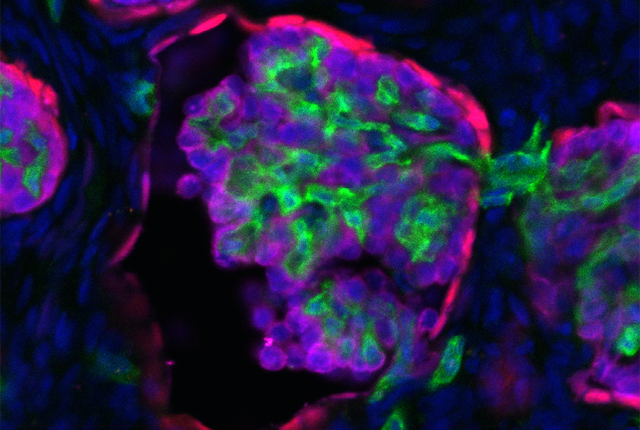
microscopic picture of kidney tissue containing human filtering cells

Youth triumphs in test to regenerate kidney tissue

Stem cells implanted into mice produced improved kidney grafts.

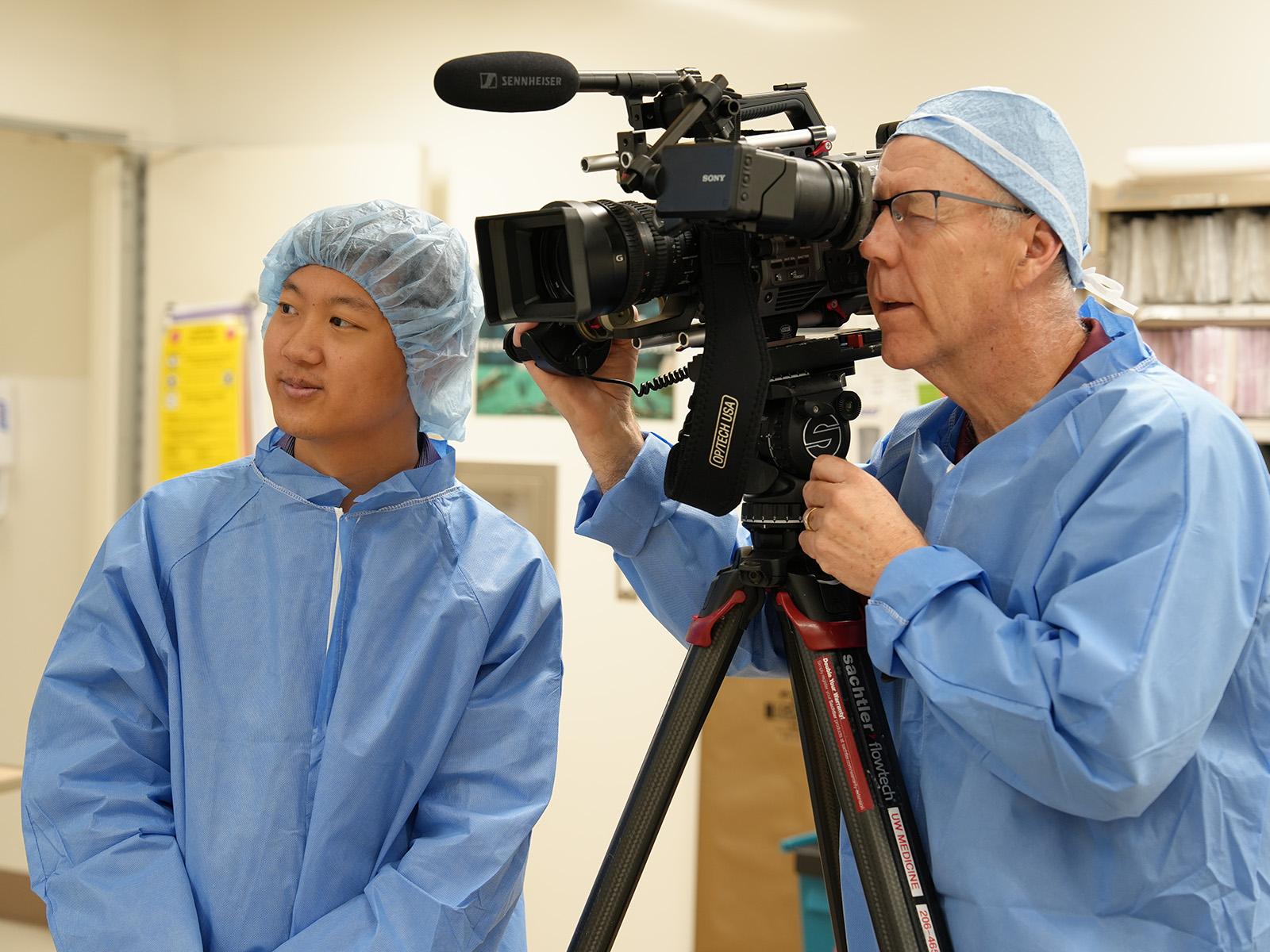
picture of Nathan Hyun and Tim Griffis

How to Reach Us

Journalists may reach the media relations team via email (mediarelations@uw.edu) from 8 a.m. to 5 p.m. PT. For urgent media requests after business hours, reach our on-call representative at 206-669-0164.

If you need us to record an on-camera interview with a UW Medicine expert, please email your request with specific details.

Contact Us

Reporters: For interviews with clinicians, researchers and instructors, reach our team. mediarelations@uw.edu